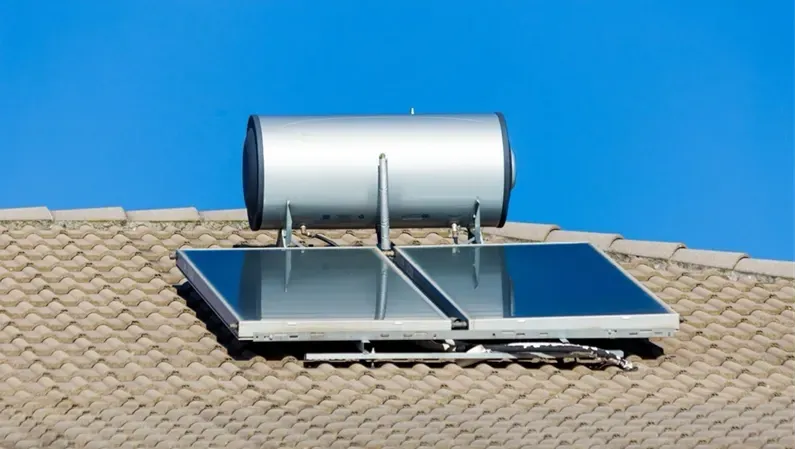
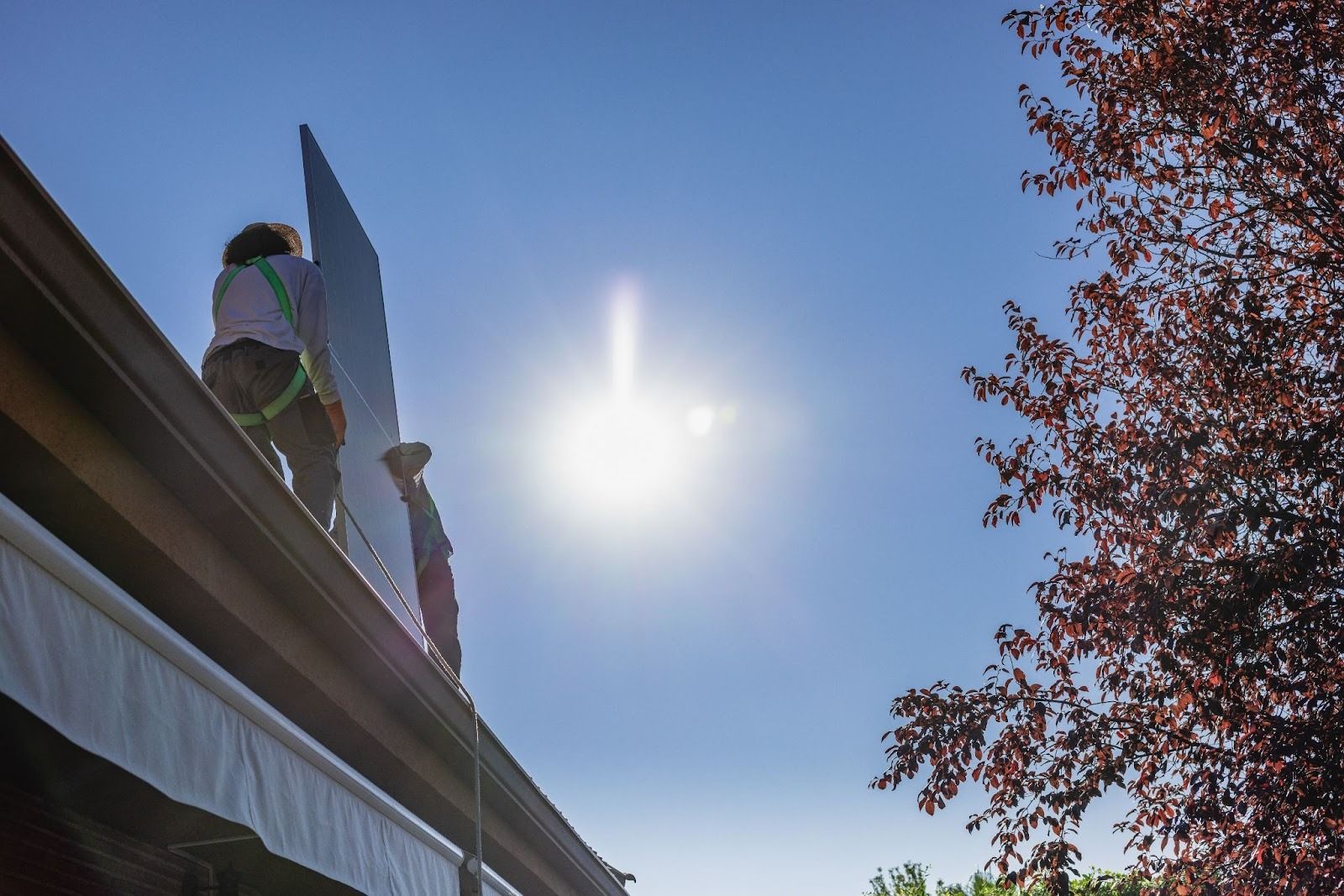
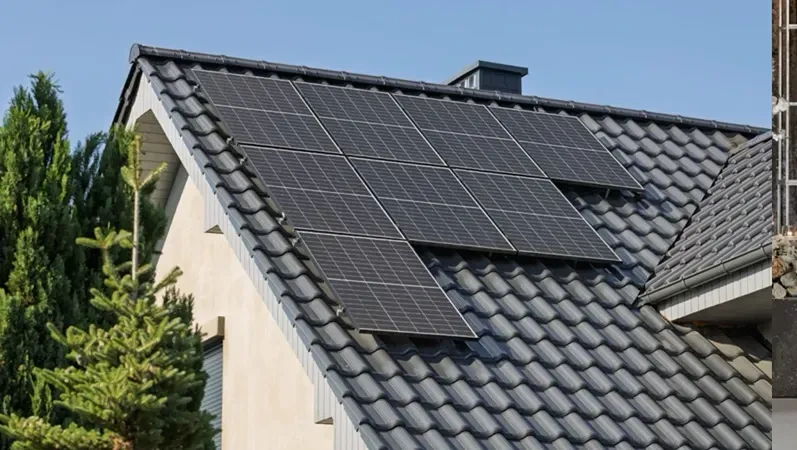
Is My Roof Good for Solar? A Practical Guide for Homeowners
Thinking about switching to solar but not sure if your roof is up for the job? You’re not alone. Homeowners often ask questions like “Is my house good for solar panels?” or “How much sun does my roof get?” before making the investment. Solar systems last 25 years or more, so your roof needs to be in the right condition, with the right structure, to support long-term clean energy production.
For homeowners exploring advanced Solar and Tesla solutions, including Tesla solar panels and the Tesla Powerwall battery, roof readiness becomes even more important. High-efficiency systems perform best when installed on strong, properly evaluated roofs that can support both panel arrays and integrated energy storage.
This guide will walk you through everything that affects roof suitability, from material and pitch to shade and age. By the end, you’ll have a clear understanding of how to evaluate the residential solar potential of your home and what steps to take next.
Why Does Your Roof’s Condition Matter When Considering Solar Panels?
Solar panels rely on a stable, durable surface. A damaged or aging roof may struggle to support mounting hardware, and any repairs after installation may require removing and reinstalling the panels. A proper solar panel assessment helps determine if a roof needs upkeep before moving forward. Good roof condition ensures safety, efficiency, and long-term performance.
What Roof Materials Are Best Suited for Solar Panels?
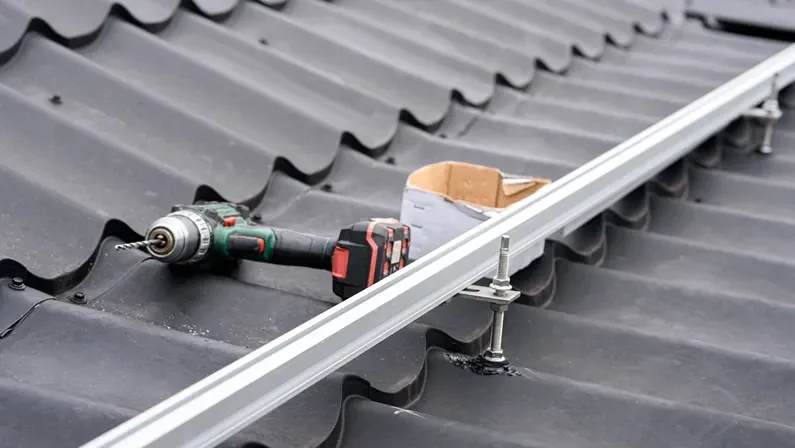
The type of roofing you have plays a big role in installation. Some materials make mounting easier, while others require special hardware or extra prep.
Asphalt Shingles
Asphalt shingles are the most installer-friendly roofing material. They’re durable, easy to drill into, and work well with standard mounting systems. Roofs with asphalt shingles often receive high solar scores in evaluations.
Standing Seam Metal Roofs
Standing seam metal roofs are ideal for solar because installers can attach panels directly to the seams without drilling into the roof surface. This minimizes potential leaks and speeds up installation.
Concrete Tiles
Concrete tiles can support solar panels effectively, but they often need additional hardware or tile replacement in mounting areas. They are strong and long-lasting, which supports good long-term solar performance.
Clay Tiles
Clay tiles are beautiful but brittle. Solar can still be installed, though it requires specialized brackets and more careful handling. A thorough solar assessment ensures no tiles are cracked during installation.
Composite Roofing Materials
Modern composite materials are generally compatible with solar. These roofs tend to be durable and lightweight, which supports efficient mounting and good solar power rating over the system’s lifespan.
How Does Roof Orientation Affect Solar Efficiency?
South-facing roofs typically offer the highest production because they receive the most direct sunlight throughout the day. East- and west-facing roofs can still work well, though they may produce slightly less energy. A solar panel suitability checker will often highlight orientation as a major factor.
What Roof Angle or Pitch Works Best for Solar Installations?
A roof angle between 15 and 40 degrees usually provides optimal sunlight exposure. Roofs outside this range can still work with solar, though installers may adjust the mounting angle during the installation process to maximize efficiency.
Does the Size of Your Roof Impact Your Solar Potential?
Solar panels need enough space to generate meaningful power. A larger roof allows for more panel placement options. Smaller roofs can still qualify, but they may require high-efficiency panels to make the most of available space.
High-efficiency options, such as Tesla solar panels, are often well-suited for homes with limited roof area because they are designed to deliver strong performance in compact layouts.
How Much Do Shade and Nearby Structures Affect Solar Output?
Shade from trees, chimneys, or neighboring buildings can lower your sun score. Solar thrives in direct sunlight. A pro can use a solar evaluation tool to map shade throughout the day and year, helping determine whether trimming trees or adjusting placement is needed.
Is Your Roof Strong Enough to Support Solar Panel Weight?
Solar systems add weight to your roof. Most modern roofs can handle this, but older structures or roofs with existing damage may require reinforcement. A structural check is part of any thorough solar panel assessment.
For homeowners planning to integrate battery storage such as the Tesla Powerwall, a comprehensive electrical and structural review ensures the entire energy system functions safely and efficiently.
How Does Roof Age Influence Solar Installation Decisions?
If your roof is near the end of its lifespan, replacing it before installing solar is recommended. Solar panels often last 25 to 30 years, and pairing them with a new roof prevents future removal and reinstallation costs.
What Local Regulations or HOA Rules Could Affect Your Roof's Solar Eligibility?
Some neighborhoods have specific rules about panel placement. HOAs may regulate visibility from the street or require certain mounting styles. Local permitting offices may also require structural or electrical compliance. A good solar provider guides you through all requirements.
Are There Solar Incentives or Rebates That Depend on Your Roof Type or Condition?
Incentives generally depend on system size and energy production, but some rebate programs require that the roof is in good condition. In places like the Bay Area, incentives may vary by utility company. A solar evaluation can help determine which incentives apply.
How Do You Know If Your Roof Needs Repairs Before Getting Solar?
A certified roof inspection identifies damaged shingles, leaks, weak spots, or aging materials that may affect installation. Repairing issues early ensures a smoother installation and better long-term solar performance.
What Professional Assessments Can Confirm If Your Roof Is Good for Solar?
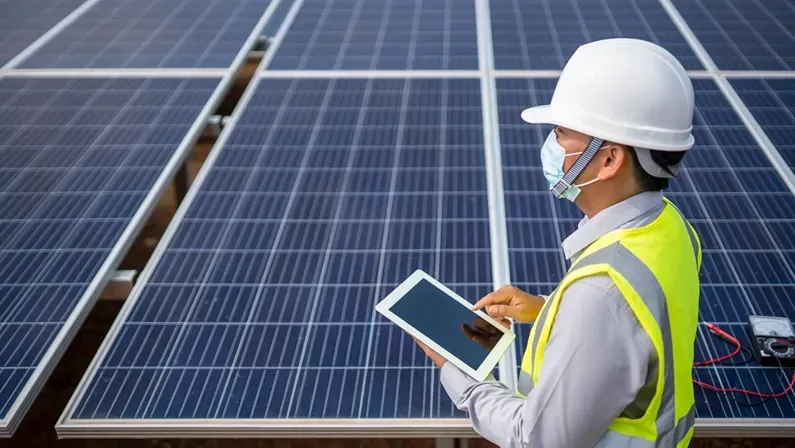
Solar installation relies on accurate, expert evaluation. These assessments help determine how suitable your roof is and what you can expect in long-term performance.
Solar Panel Assessment
A detailed solar panel assessment examines your roof’s usable surface area, layout, and potential panel placement. It provides an early estimate of how well solar can perform on your home and how many panels you may need.
Roof and Structural Inspection
Your roof must be strong enough to support a system that lasts 25 years or longer. A structural inspection checks for aging shingles, weak spots, moisture issues, or other conditions that may require repair before installation.
Sunlight and Shading Evaluation
Sunlight exposure directly affects your solar score. Installers use shading tools to map how the sun hits your roof throughout the day and year. This includes evaluating shade from trees, chimneys, and nearby structures. The results determine your system’s energy potential.
Solar Score and Power Rating
A complete solar power rating combines roof condition, sunlight exposure, orientation, and available space to estimate your long-term output. This rating helps gauge expected savings and determines whether additional upgrades would improve performance.
Companies like
Rajab Imtair provide full rooftop evaluations that combine all of these assessments. This thorough process makes it easier to evaluate the residential solar potential of your home and plan the right system.
What Are Your Options If Your Roof Is Not Suitable for Solar Panels?
A roof that isn’t ideal for solar doesn’t close the door on clean energy. Several alternatives still allow homeowners to switch to solar power.
Ground-Mounted Solar
If you have space on your property, ground-mounted solar can be even more efficient than roofing systems. Panels can be positioned at the perfect angle and direction for maximum sunlight.
Solar Carports
Solar carports generate electricity while shading vehicles. They’re useful for homes without ideal roof conditions and add functionality in addition to clean energy.
Roof Replacement Before Installation
Some homeowners upgrade their roofs before installing solar. This protects your investment and ensures you can enjoy decades of reliable production. A professional solar assessment will reveal if this option is needed.
Community Solar Programs
Community solar lets you benefit from solar energy without installing panels on your property. You subscribe to a shared solar project and receive bill credits for the energy produced.
Each of these options provides a path to solar energy depending on your property and goals. With the right guidance, you can select the solution that offers the best efficiency and value for your home.
What Is the Next Step After Determining Your Roof’s Solar Readiness?
Once you know your roof qualifies, the next step is designing your system. This includes choosing panel types, system size, placement, and evaluating energy needs. After this, scheduling installation is straightforward with an
experienced provider.
Work With a Bay Area Solar and Tesla Energy Expert
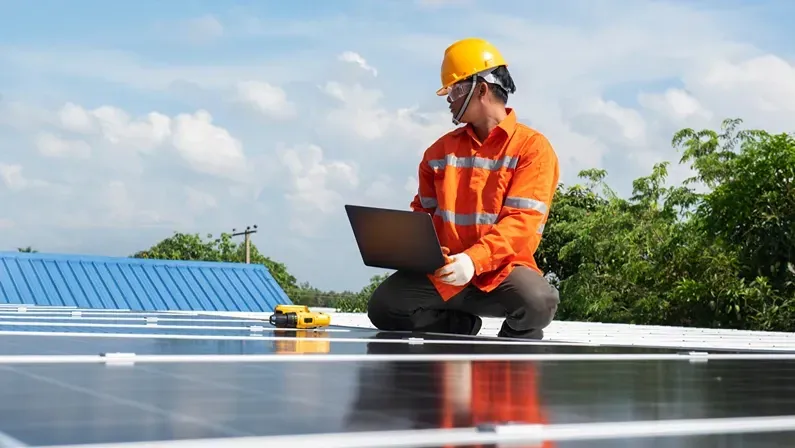
If you're ready to explore solar and want help understanding your roof’s potential, Rajab Imtair is here to make the process simple and stress-free. As a Bay Area solar power expert, Rajab Imtair provides full rooftop evaluations, custom system designs, and high-quality installations backed by long-term support for both traditional and Tesla solar systems.
You can check the best solar solutions, explore our
residential solar installation services, or learn more about the
solar solutions available for your needs.
If you're ready to see how your roof measures up,
contact Rajab Imtair today. Let’s find the best path to clean energy for your home.