How to Clean Solar Panels: A Practical Guide for Homeowners
Solar panels are built to handle the elements, but that does not mean they work at peak performance forever without a little care. If you have ever looked at your energy bill and wondered why production seems lower than expected, dirty panels may be part of the reason. Dust, pollen, bird droppings, salt air, and pollution slowly build up on the surface and block sunlight from reaching the cells underneath.
Many homeowners ask how to clean solar panels, or even question “Do solar panels need to be cleaned at all?” The reality is that regular solar panel cleaning plays a quiet but important role in keeping systems efficient, especially in areas like the Bay Area where environmental conditions vary from coastal air to urban dust. While solar panels do not require constant attention, ignoring buildup for too long can reduce output and delay long-term savings.
This guide walks through the best way to clean solar panels, how often cleaning actually matters, what methods are safe, and when solar panel cleaning services make more sense than DIY solutions. You will also learn what tools to avoid, how cleaning affects performance, and how professional support can help protect your system over time.
When Is the Best Time to Clean Solar Panels?
The best time for solar panel cleaning is early morning or later in the evening. Panels stay cooler during these hours, which reduces the risk of thermal stress and makes cleaning safer.
Avoid cleaning panels in the middle of the day. Hot glass combined with cool water can cause micro-cracks, and working on a roof under direct sun increases safety risks.
How Often Should Solar Panels Be Cleaned for Optimal Efficiency?
Most homeowners benefit from cleaning solar panels once or twice a year. In the Bay Area, factors like nearby construction, tree coverage, coastal air, and seasonal pollen can increase buildup.
Homes closer to highways, farms, or the coast may need more frequent solar panel cleaning services to maintain consistent performance.
Signs Your Solar Panels Need Cleaning
Solar panels do not always look dirty from the ground. These signs usually signal it is time to act:
A noticeable dip in energy output- Visible dirt, dust, or bird droppings
- Uneven panel appearance
- Longer payback periods month to month
- Alerts from monitoring systems
If you notice any of these, cleaning solar PV panels can help restore efficiency.
Common Methods for Cleaning Solar Panels
Different systems and roof layouts call for different approaches. Understanding your options helps avoid damage.
Manual Cleaning
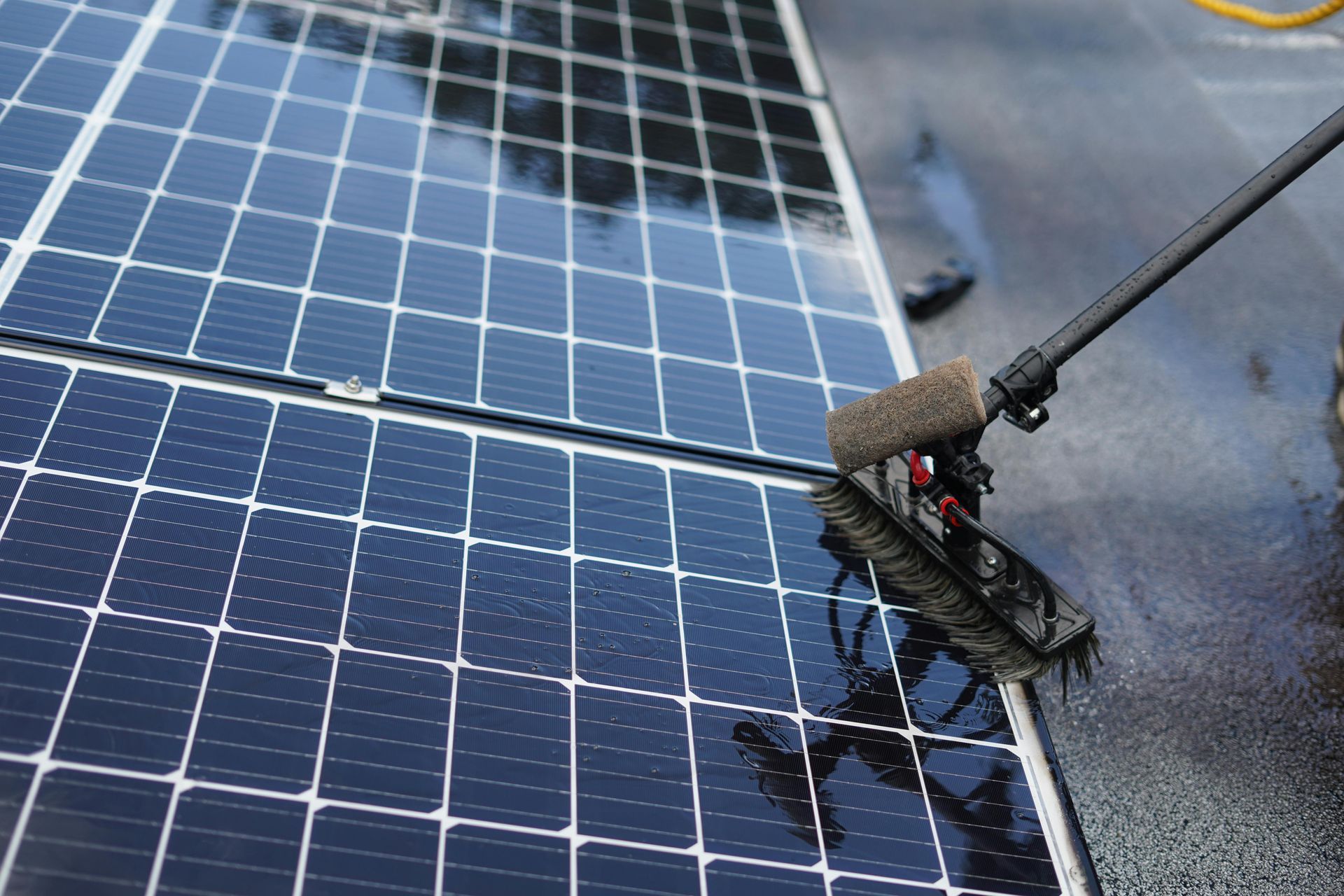
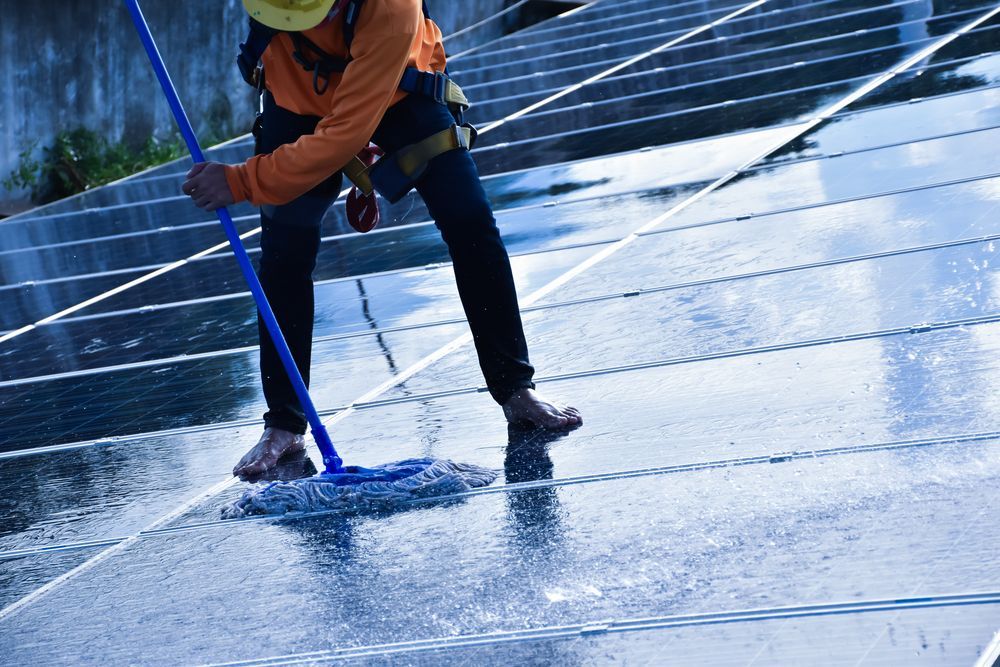
Manual washing solar panels uses soft brushes or sponges with water. This works well for accessible panels but requires care to avoid scratching glass or seals.
Rinse-Only Cleaning
For light dust, rinsing with low-pressure water may be enough. This method avoids detergents and reduces residue but will not remove stubborn grime.
Water-Fed Pole Systems
Water-fed poles allow homeowners or technicians to clean panels from the ground. Deionized water helps prevent streaking and residue buildup.
Automated or Robotic Cleaning Systems
Robotic cleaners reduce labor and improve safety, especially for large arrays. These systems are growing in popularity for commercial and multi-panel setups.
Professional Solar Panel Cleaning Services
Professional solar panel cleaning services use specialized tools, purified water, and safety protocols. This option works best for roof-mounted systems or hard-to-reach arrays.
DIY Solar Panel Cleaning: What Homeowners Should Know
Many homeowners ask, “How do you clean solar panels on roof without professional help?” DIY solar panel cleaning can work, but it requires caution.
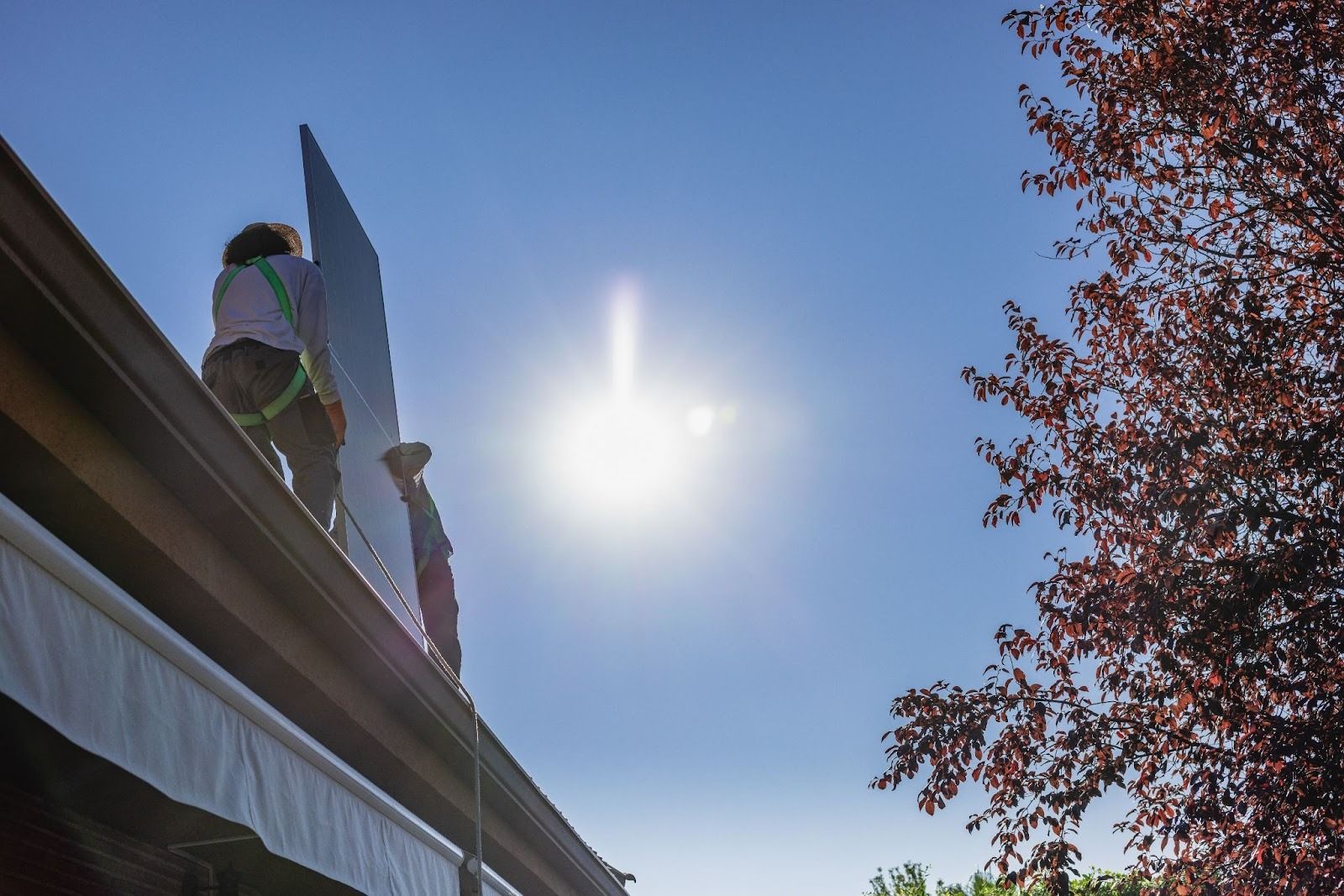
Use soft tools, avoid chemicals, and never climb onto steep or wet roofs. If safety or access feels uncertain, professional help protects both you and your system.
When to Consider Professional Solar Panel Cleaning Services
Professional cleaning makes sense when panels sit at steep angles, energy output drops significantly, or buildup becomes stubborn. It is also a smart choice for homeowners who want to preserve warranties and avoid roof risks.
If your system is part of a larger setup installed through residential solar installation services, professional care helps protect that long-term investment.
Best Practices and Tips for Cleaning Solar Panels Safely
Proper technique matters as much as timing.
Clean Panels During Cooler Times of the Day
Cool panels reduce cracking risk and make cleaning more effective.
Use Soft, Non-Abrasive Cleaning Tools
Scratches reduce light absorption and shorten panel lifespan.
Use Low-Pressure Water Only
High pressure can damage seals and wiring.
Avoid Harsh or Chemical-Based Cleaning Products
Many chemicals leave residue or damage protective coatings.
Never Clean Panels While They Are Hot or Under Direct Sunlight
Thermal shock risks increase significantly under heat.
Prioritize Safety When Accessing Roof-Mounted Panels
Falls cause more damage than dirt ever could.
Follow Manufacturer and Warranty Guidelines
Some warranties restrict DIY cleaning methods.
Inspect Panels While Cleaning
Look for cracks, loose wiring, or discoloration.
Frequently Asked Questions About Cleaning Solar Panels
Solar owners often share similar concerns.
What Is the Best Thing to Clean Solar Panels With?
Soft brushes and clean water work best.
What Cleaning Products Are Safe for Solar Panels?
Plain water or manufacturer-approved cleaners only.
Can Dish Soap Be Used to Clean Solar Panels?
Mild soap may work in rare cases but often leaves residue.
Is Rinsing Solar Panels With Water Enough?
Yes for light dust, not for heavy buildup.
Should Glass Cleaners Be Used on Solar Panels?
No. Many contain ammonia that damages coatings.
How Can Snow Be Safely Removed From Solar Panels?
Use soft snow rakes or allow panels to melt naturally.
Are Automatic or Robotic Solar Panel Cleaners Effective?
Yes, especially for large installations.
Can Bleach Damage Solar Panels?
Yes. Bleach can degrade seals and coatings.
How Do Professionals Clean Solar Panels?
They use purified water, soft tools, and safety systems.
What Should Be Avoided When Cleaning Solar Panels?
Abrasive pads, pressure washers, harsh chemicals, and unsafe roof access.
Ongoing Maintenance and Monitoring for Long-Term Solar Performance
Cleaning works best alongside performance monitoring. Tracking output helps spot issues early. Systems supported by strong installation and monitoring plans, like those shown on real solar results, perform better over time.
How Rajab Imtair Supports Long-Term Solar System Efficiency and Performance
Rajab Imtair supports homeowners across the Bay Area with systems designed for long-term reliability. From installation through maintenance guidance, Rajab Imtair helps ensure your solar system stays efficient year after year.
For homeowners considering upgrades or support beyond basic maintenance, working witha provider experienced in solar panel installation in the Bay Area adds peace of mind.
Government Incentives and Rebates Related to Solar System Maintenance
While incentives focus on installation, maintaining panel efficiency protects the financial value of tax credits and rebates. Keeping panels clean helps maximize long-term savings tied to those programs.
The Future of Solar Panel Cleaning and Maintenance Technology
Robotic cleaners, smart monitoring, and predictive maintenance tools continue to evolve. These advancements reduce labor, improve safety, and keep systems operating at peak efficiency with less manual effort.
Keeping Solar Panels Performing at Their Best
Clean panels do not just look better on your roof. They play a real role in how much energy your system produces day after day. Knowing how to clean solar panels, when light maintenance is enough, and when professional help makes sense allows homeowners to protect their investment and avoid unnecessary performance loss.
While some homeowners handle basic rinsing on their own, others prefer support from professionals who understand system design, roof safety, and long-term performance care. That is especially true for homes with hard-to-reach panels, larger arrays, or systems exposed to coastal air and heavier buildup.
For homeowners considering solar panel installation in the Bay Area, long-term efficiency matters just as much as the initial setup.
Rajab Imtair supports customers across the Bay Area with solutions designed for lasting performance, reliable energy production, and systems built to hold up over time. Clean panels, proper monitoring, and professional guidance work together to help solar deliver consistent value year after year.
If your system performance has dipped or you want help planning long-term care, it may be time to speak with a solar expert. A quick conversation can help determine whether cleaning, maintenance, or system optimization will keep your solar investment working the way it should.
Contact Rajab Imtair today.